
Blog
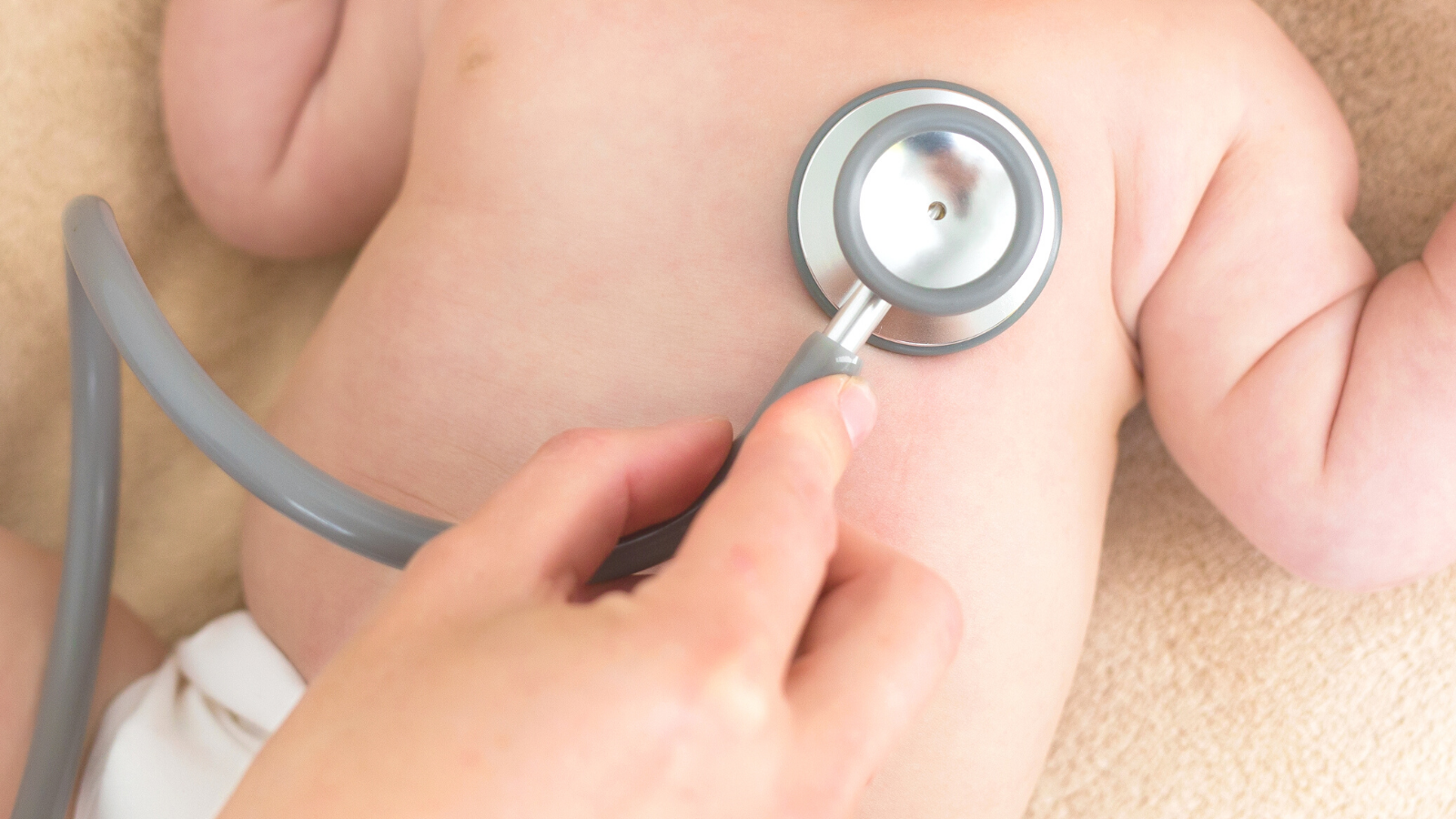
What is RSV & When is RSV Season?
One of the most common risks for premature or medically fragile babies is respiratory syncytial virus, or RSV. For most children it can cause nothing more than the common cold. Colds are no fun, but they’re generally not that dangerous. RSV in premature or medically fragile infants can be dangerous and even deadly. While this is very scary, there are steps to take to protect your baby.
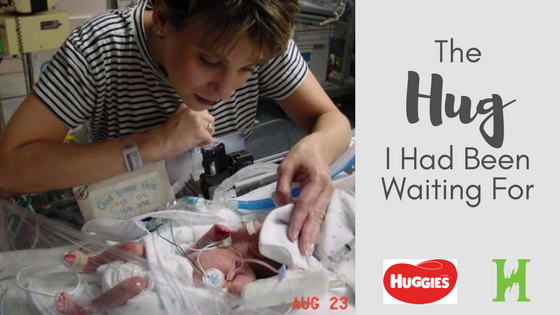
The Hug I Had Been Waiting For
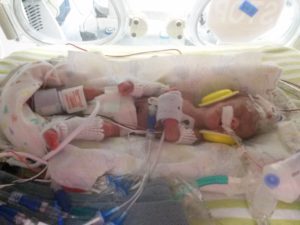
When my son was about a week old, a very patient and wise NICU nurse encouraged me to change my son’s diaper for the first time. I will never forget how my hands shook as we maneuvered wires to delicately dab his tiny bottom with a cotton ball. I have no doubt she could have completed the task in less than a minute, but she took the extra ten minutes to help me have that important bonding experience with my son. It was the first time I truly took part in his daily care. And in many ways, it was our first bonding experience. The hug I had been waiting for.

A Mother’s Heart: How to Help it Heal After Severe Preeclampsia
It’s been four years, almost to the day, since I gave birth to my preemie at 29 weeks, weighing 2lb 6oz. Nothing at all like the big, bouncing baby boy I had been fantasizing about. Yet, he was the most beautiful, and tiniest, baby I had ever seen. Being rushed by...

Keeping My Respiratory-Compromised Child Healthy During RSV Season – One Mom’s Story
I was excited and scared when we finally got to bring our youngest daughter, Mighty Z, home from the hospital. It had been six long months since she had been born with Congenital Central Hypoventilation Syndrome (CCHS), and during that time she had been trached and vented. Before the hospital would allow us to bring Mighty Z home, they prepared us to care for her and taught us how to troubleshoot problems that might arise. Her doctors and nurses made sure we understood how important it was to keep Mighty Z, a baby who had been intubated and was still trached and vented, away from every contagious "bug" that tried to bite her. RSV, the flu or even the common cold, could result in not just sickness for Mighty Z, but in her death.
Bonding with Your Medically Fragile Baby in the Neonatal Intensive Care Unit
by Dawn K. Gibson, LCSW
When you initially became pregnant, birthing your baby and having him or her whisked away to the Neonatal Intensive Care Unit (NICU) by hospital staff was most likely not in your plan.
Many parents know that bonding after childbirth is important for both parents and baby, and you may have had some ideas about what this meant to you. You might have visualized yourself holding your baby right after the birth, looking into his or her eyes lovingly, or just lying skin-to-skin for a time. No matter what your vision, the reality of birthing a medically fragile infant is typically very different from these images. You may not have been able to hold, let alone touch, your baby right away and you may now be worried that you have lost a major opportunity to bond with your baby. Please know that this is not true. There are many other ways to bond with your baby - even during his or her NICU stay.

Organizing Medical Supplies After You Leave the NICU
Babies come with a lot of gear. NICU babies sometimes come with even more. When my baby was discharged from the NICU not only did I bring him home, but also a bunch of medical equipment, medications, and breast pump parts. When we arrived from the hospital there...
How to Communicate with Your Baby’s Care Team: 10 Tips to Help You Get What You Need
By Deborah Dinsmoor, RN, BSN - Nurse Educator at St. David's Women's Center of Texas Communication is important in all aspects of life, but it is vitally important when your baby is admitted to the neonatal intensive care unit (NICU). Families are under tremendous...

Your Story is Valid
As a supportive network of NICU parents, we do our best not to compare experiences, but to recognize that everyone's experience is different, and everyone's feelings about that experience are completely valid. It seems no matter how long the NICU stay, many of us carry some degree of guilt about not being able to protect our babies.
Each experience is unique to that parent.

What Does That Mean? Reading Your Baby’s Cues
Cues are the signals your baby uses to show what they are feeling and how they are coping with the world around them. Babies can show this both through their behavior and through changes in their physiological state.
In the NICU, Blood Equals Life
Blood isn't a topic that everyone thinks about until they need it. January is Blood Donor Awareness month and our NICU babies need blood much more than you realize.

6 Things Every Expectant Parent Should Do to Prepare for Preterm Birth
By Darline Turner-Lee, mother to preemie Vanessa and founder of Mamas on Bedrest & Beyond
As a parent of a late-term preemie, I found myself completely unprepared for the emotional fallout after my child was born early and with breathing problems. Term births are considered pregnancies carried to 40 weeks. Babies born at 37 week gestation or earlier are considered premature. Even though I had been at risk and was very nearly on bedrest at several different points during my pregnancy, the topic of a neonatal ICU (NICU) stay never entered the conversation. I worked in the medical field for many years and still felt unprepared for my child’s stay. I sincerely wish my OB and I could have discussed these possibilities in advance. If you are pregnant, here are some tips and questions to help you prepare your own backup plan in case your child is born earlier than expected or with complications.